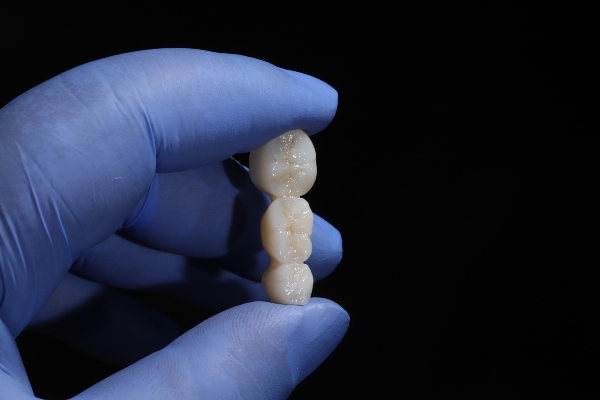
 Dental crowns are an effective solution for restoring damaged and decayed teeth. They protect the tooth from further damage while enhancing its appearance, blending in with the rest of your smile. However, it can be difficult to choose between the many types of crowns, such as porcelain and metal, as each of these materials has its benefits and drawbacks. Understanding these differences can help you decide which one is right for you and your unique needs.
What are dental crowns?
Dental crowns are custom-made small caps that cover a damaged tooth, restoring its shape, strength, and appearance. They are cemented into place, fully encasing the visible portion of the tooth above the gum line. While crowns can contain various materials, porcelain, and metal are among the most popular choices.
Porcelain dental crowns
Aesthetics
Porcelain crowns offer a more natural appearance than metal crowns. They are made with several layers of biocompatible porcelain and are color-matched to a patient's surrounding natural teeth. This makes them an effective option for front teeth or other highly visible areas. Additionally, porcelain dental crowns mimic the light-reflecting properties of natural teeth, which makes them more aesthetically pleasing than other dental crown materials.
Durability
While porcelain crowns are durable, they are not as strong as metal crowns. They are more prone to chipping or cracking, particularly for patients who have a habit of grinding their teeth (bruxism) or if they frequently chew on hard objects. Some dental professionals have begun to use crowns that combine porcelain and zirconia; zirconia is a durable ceramic that can also be color-matched to a patient's teeth. Porcelain-zirconia crowns are stronger than traditional ones and are ideal for those concerned about their crown's durability and everyday wear and tear.
Cost-effectiveness
Metal crowns are generally more cost-effective than porcelain crowns. They often contain alloys that combine metals like gold, platinum, or base metal alloys. While gold crowns can be more expensive, base metal alloy crowns are typically more affordable.
Metal dental crowns
Strength and durability
Metal crowns are known for their exceptional strength and durability. They can withstand significant biting and chewing forces without chipping or breaking, making them ideal for molars or teeth subjected to heavy use. As a result, metal crowns typically have a longer lifespan than porcelain crowns. They are more resistant to everyday wear and tear and are less likely to require replacement over time.
Cost-effectiveness
Metal crowns are generally more cost-effective than porcelain crowns. They are often made from alloys that combine metals like gold, platinum, or base metal alloys. While gold crowns can be more expensive, base metal alloy crowns are typically more affordable.
Appearance and aesthetic issues
The primary drawback of metal crowns is their appearance. They do not blend in with natural teeth and are easily noticeable, making them a less suitable option than other crown materials. Dentists often recommend metal crowns for the back teeth (molars) where their appearance is less of a concern.
Learn more about our dental crown options
Porcelain and metal dental crowns each have their own unique benefits and drawbacks. At Scottsdale Dental Care, we offer a variety of dental crown materials in the Scottsdale area. Would you like to learn more about our options? Call our office to schedule a consultation.
Request an appointment or call Scottsdale Dental Care at 480-630-3390 for an appointment in our Scottsdale office.
Related Posts
Dental crowns are an effective method to address a variety of dental issues. However, how do you know if you need a dental crown? Understanding the following signs and symptoms can help you maintain optimal oral health and prevent further complications.Tooth decay is a common problem that can lead to severe damage if left untreated.…
A general dentist may use a dental crown for several reasons, from restoring decayed or damaged teeth to supporting teeth replacements. Just as there are many applications for crowns, there are also many types of them. Porcelain and porcelain-fused-to-metal (PFM) are among the most commonly recommended by dentists. Learning the key differences between these crowns…
A dental crown is one of the most versatile and effective solutions for repairing and protecting damaged teeth. Though these restorations are reliable and long-lasting, they are not invincible. Whether you have or plan on getting a dental crown, following proper care procedures and the advice of your dentist will help you get the most…